
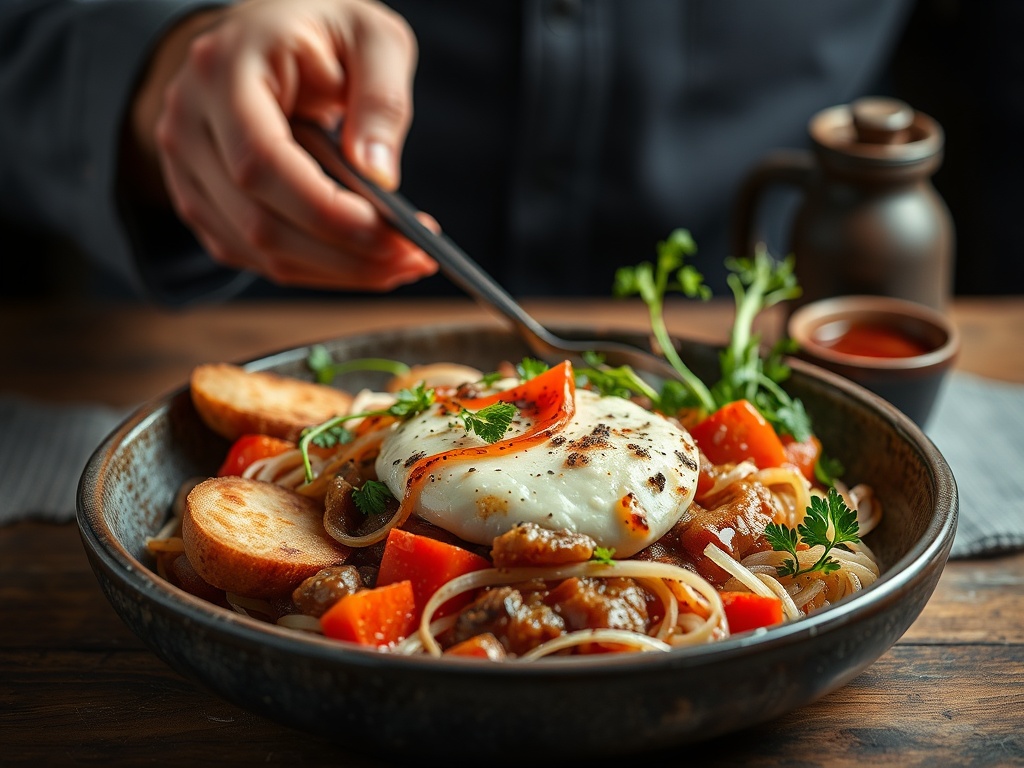

A Culinary Revival Rooted in Ancestral Wisdom
Canada’s gastronomic identity is undergoing a bold transformation, and at the heart of it lies a deeper appreciation for Indigenous culinary traditions. Once marginalized, these rich foodways are now inspiring a new generation of chefs, restaurateurs, and food lovers to reimagine what Canadian cuisine truly means.
From Survival to Celebration
For centuries, Indigenous communities across Turtle Island (North America) have developed sophisticated food systems based on sustainability, seasonality, and ceremony. Ingredients like wild rice, bison, cedar, and juniper were not only sustenance—they were medicine, culture, and identity. Today, these elements are being reclaimed and celebrated in contemporary kitchens across the country.
The Power of Ingredients
- Wild game: Elk, venison, and bison are making their way back into urban menus, offering lean, ethical alternatives to conventional meats.
- Foraged plants: Chefs are highlighting the unique flavours of Labrador tea, spruce tips, and sea asparagus.
- Traditional grains: Ingredients like corn, wild rice, and quinoa are being used in innovative ways, from pasta to pastries.
These choices are not just aesthetic—they align with a growing movement toward environmentally conscious and culturally respectful eating.
Meet the Trailblazers
Several Indigenous chefs and culinary leaders are driving this renaissance. Their work blends ancestral knowledge with modern creativity, resulting in dishes that tell powerful stories.
Chef Shane Chartrand
Of Cree descent, Shane Chartrand is known for his fusion of European techniques with Indigenous ingredients. His cookbook, “Tawâw: Progressive Indigenous Cuisine,” is both a culinary and cultural manifesto.
Chef Christa Bruneau-Guenther
A proud member of the Peguis First Nation, Bruneau-Guenther runs Feast Café Bistro in Winnipeg, a restaurant that serves up nourishing dishes rooted in Métis and First Nations traditions.
Chef Joseph Shawana
Originally from the Wiikwemkoong Unceded Territory, Shawana is a vocal advocate for Indigenous food sovereignty and education. He co-founded the Indigenous Culinary of Associated Nations (ICAN), which supports Indigenous chefs across Canada.
Why It Matters
Beyond the plate, this movement is about restoring cultural pride and economic opportunity within Indigenous communities. It challenges colonial narratives and invites all Canadians to engage with food in a more conscious, inclusive way.
According to a National Geographic feature, this culinary shift is helping to preserve endangered languages, reconnect youth with their heritage, and promote health through traditional diets.
Innovations in the Kitchen
The fusion of old and new is creating unprecedented textures and flavours. Think:
- Smoked bison tartare with juniper oil
- Blue corn gnocchi with sage butter
- Maple-cured Arctic char on cedar planks
Many of these dishes are appearing not only in Indigenous-run establishments, but also in high-end restaurants and pop-up events, reflecting a broader appetite for authenticity and innovation.
The Road Ahead
As Canada grapples with questions of identity and reconciliation, food offers a potent way forward. The embrace of Indigenous culinary knowledge is more than a trend—it’s a movement that honours the past while nourishing the future.
Educational institutions are beginning to catch on as well. Culinary schools are incorporating Indigenous modules, and community-led initiatives are teaching traditional food skills to the next generation.
Ultimately, this is about more than just what’s on the plate. It’s a call to listen, learn, and savour—one bite at a time.