
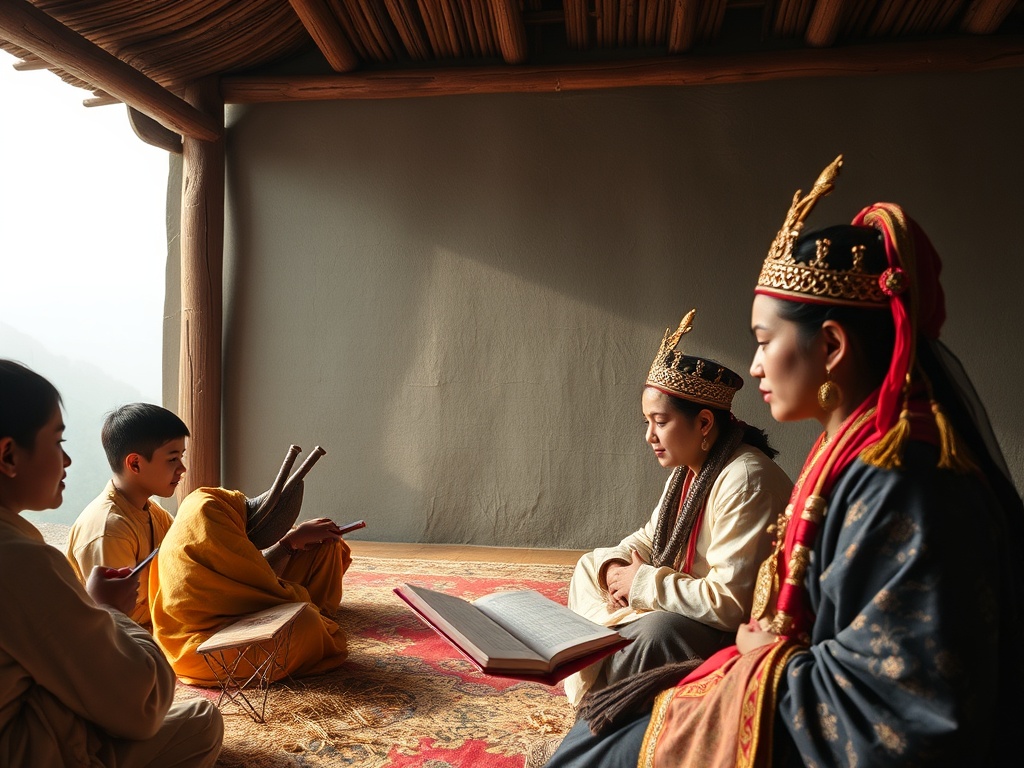

Reviving the Past Through Pixels
Canada’s vibrant new media art scene is undergoing a quiet revolution—one deeply rooted in the nation’s rich tapestry of oral traditions and storytelling. While cutting-edge technologies like augmented reality and immersive installations may seem worlds apart from ancestral legends told around a fire, these two realms are increasingly intertwined. It’s in this fusion of past and future that Canadian artists are crafting a unique cultural language, one that speaks both to heritage and innovation.
The Power of Indigenous Oral Narratives
Indigenous storytelling has long served as a vessel for history, law, spirituality, and identity across First Nations, Métis, and Inuit communities. These narratives, passed down through generations, are not merely myth or entertainment—they are living archives of knowledge and worldview. Today, many Indigenous media artists are fusing this oral legacy with digital platforms to reach wider audiences while preserving cultural integrity.
Artists like Lisa Jackson and Skawennati are pioneering works that blend traditional stories with digital animation, VR environments, and interactive media. Their creations not only honor their ancestral roots but also challenge mainstream narratives by centering Indigenous perspectives in modern storytelling.
New Media as a Tool for Cultural Translation
One of the most exciting aspects of new media art is its capacity to act as a translator between eras and cultures. By incorporating elements of folklore, legends, and historical accounts, Canadian artists are reimagining how stories are told—and who gets to tell them. These works often bridge generational gaps, inviting both elders and youth into the creative process.
Notable Trends Emerging from This Fusion:
- Immersive Storyworlds that use VR to recreate traditional environments and narratives.
- Interactive Installations that respond to viewer participation, echoing the communal nature of oral tradition.
- Digital Story Circles that gather communities online to co-create evolving narratives.
According to a comprehensive overview by Britannica, media art has always responded to societal and cultural shifts. In Canada, this response is particularly nuanced, shaped by a landscape of reconciliation, multiculturalism, and digital fluency.
Storytelling as Resistance and Renewal
For many marginalized communities in Canada, storytelling has long been a form of resistance. In the digital age, new media offers an even more potent platform for reclaiming narratives and asserting identity. Whether through experimental film, projection mapping, or motion design, artists are using tech as a tool for both healing and activism.
Take for instance the work of the Inuit artist Tanya Tagaq, whose vocal performances and multimedia installations explore themes of colonialism, nature, and resilience. Her art, much like traditional storytelling, is raw, rhythmic, and deeply rooted in land and memory.
Educational Institutions Fueling the Movement
Canada’s universities and art schools are increasingly recognizing the value of integrating traditional storytelling into contemporary media curricula. Programs are evolving to include courses on Indigenous epistemologies, collaborative community projects, and digital tools that amplify underrepresented voices. According to a report by Carnegie Mellon University, interdisciplinary education is key to fostering innovation in this space.
This academic support not only legitimizes new media art forms but also ensures that future generations of artists are equipped to carry forward—and transform—cultural legacies.
The Future of Storytelling Is Hybrid
As Canada continues to redefine its cultural identity, the intersection of ancestral storytelling and new media art stands out as one of its most compelling creative frontiers. It’s a space where tradition meets technology, where the old ways don’t vanish—they evolve.
Through this bold artistic dialogue, Canadians are not just preserving stories—they’re reinventing how we experience them. And in doing so, they’re crafting a cultural narrative as diverse and dynamic as the country itself.
Conclusion: A Living Legacy in Motion
Canada’s new media artists are proving that storytelling is far from static. It moves, adapts, and transforms, just like the people who tell the tales. By weaving together threads of tradition and innovation, they are building bridges across time, culture, and consciousness—one immersive story at a time.