
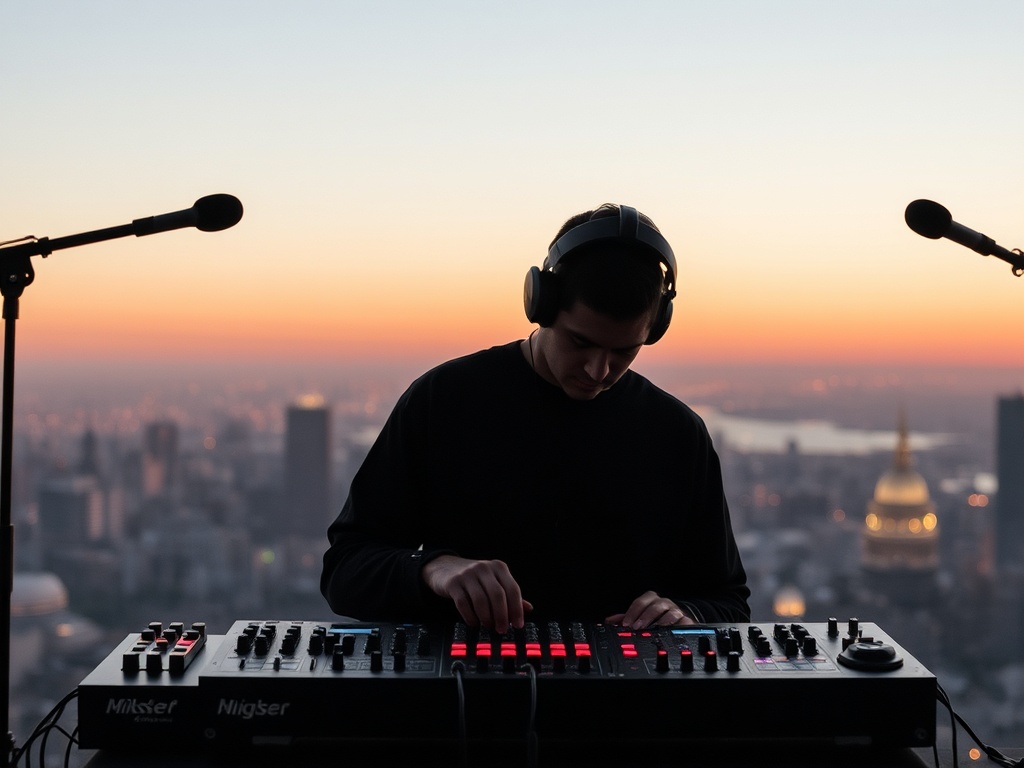

The Rise of Canada’s Electronic Music Scene
Over the past decade, Canada has quietly evolved into a powerhouse in the global electronic music scene. While cities like Berlin and London often dominate headlines, Canadian producers are crafting unique sonic identities that resonate worldwide. From Montreal’s underground clubs to Vancouver’s ambient landscapes, these artists are pushing boundaries and redefining what it means to be bold in sound.
Innovation Meets Identity
What sets Canadian electronic producers apart isn’t just their technical prowess—it’s their ability to blend cultural narratives into immersive soundscapes. Many draw on the country’s rich diversity, incorporating Indigenous rhythms, multicultural influences, and the vastness of the Canadian wilderness into their compositions. This infusion creates **a genre-defying musical language** that speaks to the global audience while staying deeply rooted in local identity.
Artists Leading the Charge
- Kaytranada – Hailing from Montreal, this Grammy-winning producer fuses electronic, hip-hop, and R&B with an unmistakable groove that’s earned him international acclaim.
- Rezz – Known for her hypnotic bass and dark industrial tones, Rezz is a Niagara Falls native who has become a staple in major festivals worldwide.
- CRi – Blending cinematic textures with melodic house, CRi brings a soulful edge to the electronic scene, reflecting the emotional pulse of urban life in Quebec.
Festivals and Spaces Fueling the Movement
Canada’s vibrant festival culture plays a significant role in nurturing electronic talent. Events like MUTEK in Montreal and Bass Coast in British Columbia provide platforms for experimentation and collaboration. These festivals aren’t just showcases—they’re **laboratories for sonic exploration**, where artists test boundaries and engage with audiences in transformative ways.
According to an in-depth feature by National Geographic, MUTEK’s commitment to innovation and digital creativity has positioned Montreal as a global hub for electronic arts.
Technology and the Canadian Sound
Canadian producers are also at the forefront of integrating technology into music creation. From AI-generated textures to immersive VR performances, the intersection of tech and art is a space where **Canadian minds thrive**. Institutions like the Banff Centre for Arts and Creativity offer residencies and programs that foster this fusion, attracting talent from around the world.
Emerging tools such as modular synthesis and spatial audio are being embraced with enthusiasm, echoing the experimental spirit found in academic circles like those studied at McGill University’s Sound Recording program.
Global Influence, Local Roots
While many Canadian producers tour internationally and collaborate with artists abroad, they maintain strong ties to their homeland. This duality—**global influence with local authenticity**—is a signature feature of the Canadian electronic aesthetic. It’s not just about exporting beats; it’s about sharing a narrative that’s uniquely northern, inclusive, and forward-thinking.
Cross-Cultural Collaborations
Collaborations between Indigenous artists and electronic producers, such as those explored in projects supported by the Canada Council for the Arts, highlight how electronic music can serve as a bridge between generations and communities. These initiatives not only enrich the sound but also open doors to conversations about heritage, identity, and innovation.
What’s Next?
The future of Canadian electronic music looks promising. With increased support from cultural institutions and a growing appetite for diverse sonic experiences, a new wave of producers is emerging—ready to challenge conventions and expand the horizons of what electronic music can be. Whether it’s through immersive audiovisual performances or genre-defying collaborations, **Canada’s electronic scene is not just participating—it’s leading**.
As the world tunes in, one thing becomes clear: the sounds coming out of Canada aren’t just music—they’re bold, immersive stories waiting to be heard.