
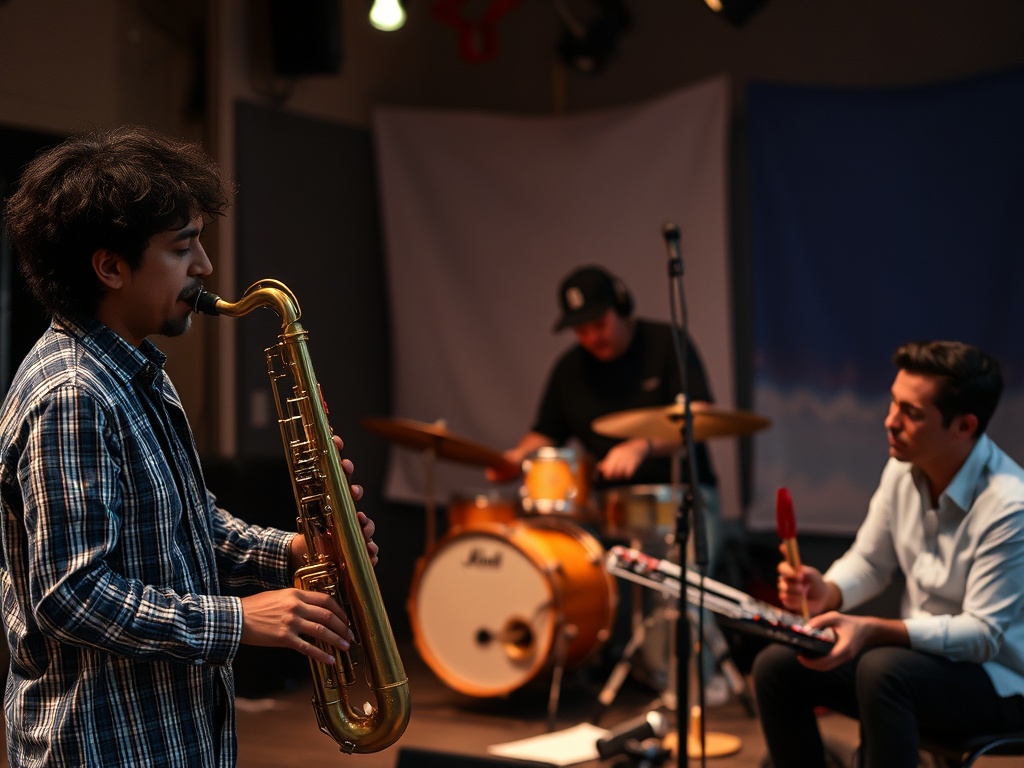

The Rise of Avant-Garde Jazz in Canada
In the heart of Canada’s cultural renaissance, a new wave of experimental jazz collectives is reshaping the sonic landscape. These groups are not just playing music—they’re crafting immersive experiences that challenge conventions and celebrate diversity. From Montreal’s bohemian corners to Vancouver’s underground lofts, artists are fusing jazz with electronic textures, spoken word, and indigenous rhythms.
What Makes These Collectives So Bold?
Unlike traditional ensembles, these jazz collectives operate with a spirit of collaboration over hierarchy. Leadership rotates, compositions evolve in real-time, and performances often blur the line between concert and performance art. This openness fosters innovation and gives voice to underrepresented musical narratives.
Key Characteristics of the Movement
- Improvisational structure that defies genre boundaries
- Integration of multimedia elements like projection art and dance
- Focus on community-based creation and storytelling
- Collaborations with artists from diverse disciplines and cultural backgrounds
Spotlight on Pioneering Groups
Across Canada, several collectives are leading this bold transformation. For instance, the Montreal-based group Kalmunity blends jazz with hip-hop, soul, and afrobeat, often incorporating live poetry and political commentary. In Toronto, experimental trio Peripheral Vision pushes harmonic boundaries with cinematic flair, drawing inspiration from visual art and literature.
Kalmunity: A Cultural Force
More than just a band, Kalmunity is a movement. Their weekly performances function as communal rituals, where audience and artist merge into a single creative force. Their mission is rooted in social justice, empowerment, and cultural dialogue.
Peripheral Vision: Jazz as Visual Art
This Toronto-based ensemble approaches jazz like a painter approaches a canvas—layering sound with intention and abstraction. Their compositions often reference Canadian landscapes and urban textures, inviting listeners into a deeply introspective journey.
Beyond the Stage: Jazz as Social Commentary
These collectives are not just redefining music—they’re reframing Canadian identity. As jazz in Canada becomes more inclusive and intersectional, it also becomes a platform for dialogue about race, gender, colonialism, and climate justice. Performances are often accompanied by artist talks, workshops, or open mic sessions that invite community participation.
According to the Canada Council for the Arts, there has been a notable increase in funding applications from multidisciplinary jazz projects over the past five years—a sign of growing institutional recognition and support for this dynamic evolution.
Jazz Education and Emerging Talent
Universities and conservatories across Canada are adapting their curricula to reflect this new wave. Schools like Humber College and McGill University are incorporating modules on improvisation, world music, and digital production. Students are encouraged to form their own ensembles, many of which evolve into full-fledged collectives post-graduation.
As Berklee College of Music notes in a recent article, the future of jazz lies in its ability to adapt and absorb, acting as a mirror to societal shifts and technological evolution.
Where Is This Movement Headed?
Canada’s experimental jazz scene is still in flux—but that’s precisely what makes it so thrilling. With each performance, these collectives are not just entertaining; they’re reshaping cultural narratives, inspiring new audiences, and asserting that jazz remains one of the most powerful tools for expression in uncertain times.
As more listeners embrace the unconventional, and as institutions begin to support boundary-pushing work, it’s clear this movement is not a fleeting trend—it’s a bold new chapter in Canadian music history.