
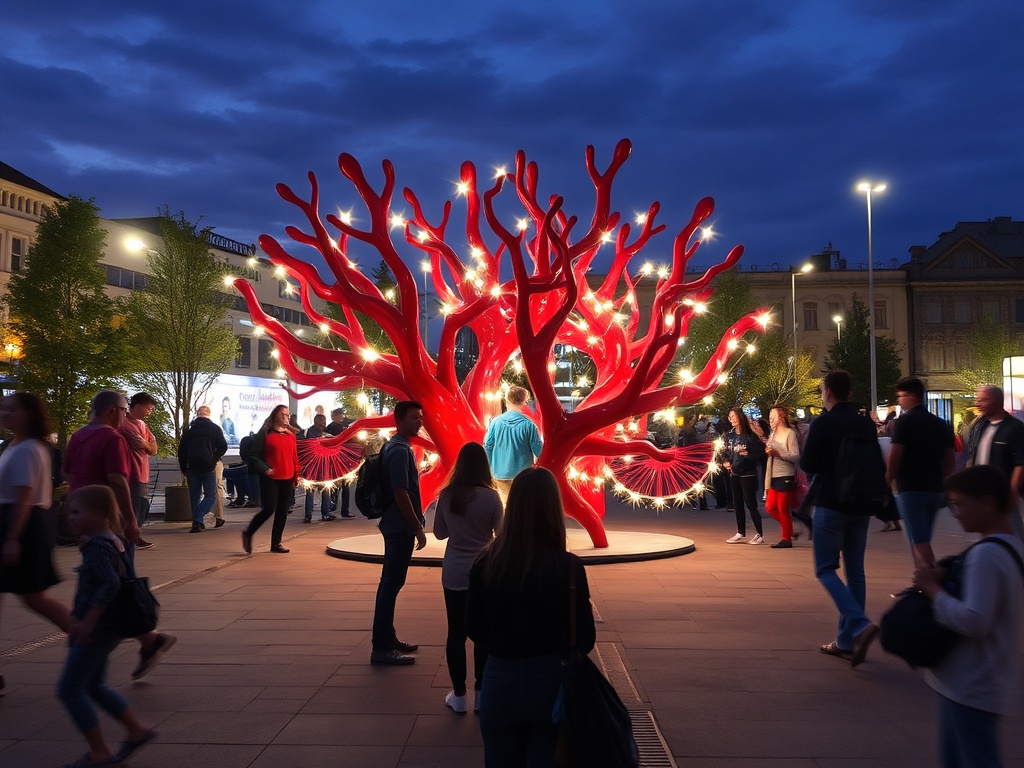

Canada’s Streets Are Becoming Canvases of Expression
Across the country, from urban centres to rural towns, community-driven art projects are reshaping public spaces into vibrant expressions of local identity, history, and social dialogue. What was once concrete and steel is now alive with murals, mosaics, installations, and performances that invite participation and reflection.
More Than Just Aesthetic: The Role of Art in Community Building
These initiatives are not merely decorative. They serve as catalysts for connection, inclusion and civic engagement. By involving local residents in the creation process, public art becomes a medium of storytelling and healing. It fosters a sense of ownership, pride, and belonging—especially in communities historically marginalized or underrepresented.
Key Benefits of Community Art Projects
- Reinforces local identity through storytelling and cultural representation
- Encourages dialogue on social and environmental issues
- Activates public spaces and boosts foot traffic
- Engages youth and newcomers in creative collaboration
Notable Projects Redefining Canadian Public Spaces
From Montreal to Vancouver, grassroots initiatives and municipal programs are making art accessible and participatory. Here are just a few standout examples:
1. The Bentway (Toronto, ON)
Under the Gardiner Expressway, what was once unused infrastructure has been transformed into a cultural corridor. The Bentway hosts public art installations, performances, and seasonal events—all co-created with local artists and residents. It’s a dynamic reimagining of urban space that brings people together year-round.
2. MURAL Festival (Montreal, QC)
This annual event has redefined Saint-Laurent Boulevard into an open-air art gallery. Beyond its visual impact, the festival fosters dialogue around contemporary urban culture and supports emerging talent. Its success has inspired similar festivals in other cities, showcasing the power of art to activate entire neighbourhoods.
3. Northern Lights Project (Whitehorse, YT)
In the Yukon, Indigenous and non-Indigenous artists collaborate to create murals that honour traditional knowledge and environmental stewardship. These works blend storytelling with education, and their impact echoes beyond aesthetics—they become platforms for reconciliation and intergenerational learning.
Community Participation Is Key
What sets these projects apart is their inclusive nature. Artists don’t work in isolation—they collaborate with community members through workshops, surveys, and open calls. This approach ensures that the final piece speaks authentically to the lived experiences of those it represents.
According to a report by the Canada Council for the Arts, participatory art initiatives lead to stronger social ties and increased civic pride. These findings reinforce what many have already experienced firsthand: art can be a powerful tool for social cohesion.
The Rise of Eco-Art and Sustainability Themes
More and more, community art in Canada is embracing environmental themes. From sculptures made of recycled materials to murals addressing climate change, artists are using their platforms to invite reflection on sustainability. In Vancouver, the “Washed Ashore” project uses plastic waste collected from beaches to create massive sea creature sculptures—both a creative marvel and a stark reminder of our environmental impact.
Challenges and the Path Forward
Despite their benefits, community art projects face barriers: restricted funding, bureaucratic red tape, and limited space. Artists often navigate complex municipal regulations to bring their visions to life. However, growing public support and recognition are encouraging signs that these obstacles can be overcome.
Future efforts may benefit from stronger partnerships between municipalities, Indigenous communities, and arts organizations. More inclusive funding models and policy frameworks could help sustain and expand these transformative initiatives.
Conclusion: Art as a Tool for Transformation
Canada’s community art movement is more than a trend—it’s a redefinition of how we inhabit and relate to public space. These projects are making cities more human, more expressive, and more inclusive. As they continue to evolve, they hold the promise of reimagining our collective future—one brushstroke, beat, or sculpture at a time.
Read next: Quartier Mile End Montreal: A Practical Guide to Its Creative Streets